
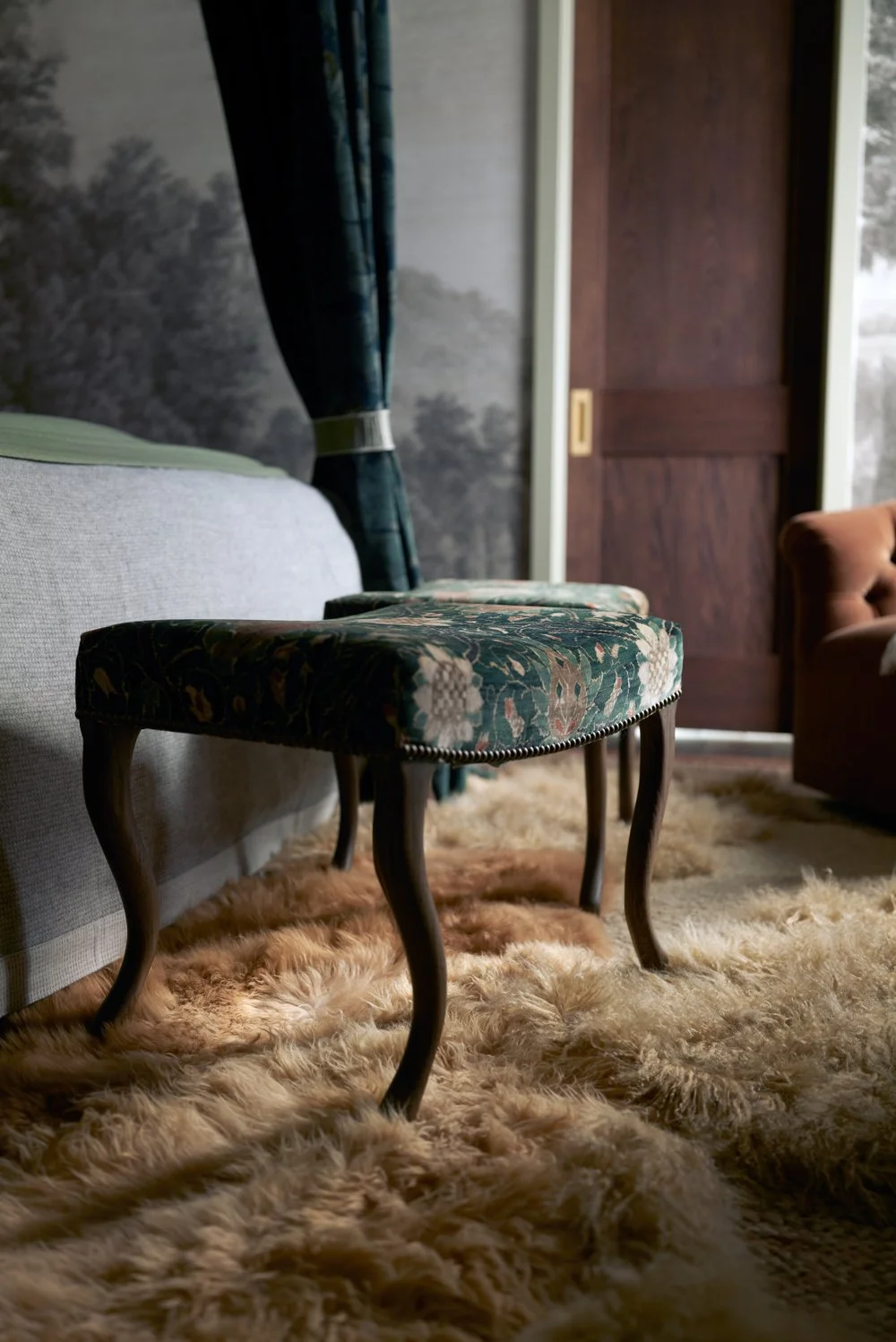
Furniture 101
Customizing furniture is no simple task, and is left up to the experts…like yourself!
Explore important terminology and processes below to optimize your designer showroom shopping and specifying experience.
Furniture Terminology
Furniture Construction
-
o Luxury standard construction
o Springs, often of different gages, set within the decking of frames and tied at 8 different spots on each spring
-
o Also called ‘S’ spring for its shape
o Most common on the retail end like Pottery Barn, Room and Board, Crate and Barrel, etc.
o Most affordable as it is a cost-effective material, and not as labor intensive to install
o Not as durable or long lasting as 8-way hand tied
-
o Triangle shaped pieces of wood that are added to the corners of furniture frames to increase stability and strength, and ensure the furniture remains square and level
-
o Ancient, strong woodworking technique connecting two pieces of wood
o Consists of a mortise (rectangular hole or slot cut into one piece) and a tenon (a protruding tongue at the end of another piece) that fights tightly into the hole
o Strongest heirloom quality
-
o Made entirely from hardwoods like oak, walnut, maple, etc.
o Expands and contracts with humidity
o High end and long lasting
o Kiln dried wood prevents warping
-
o More stable than solid wood (less movement)
o Often used inside furniture frames
o Used as substrate in veneer construction for its stability
-
o Thin slice of real wood applied over a substrate like plywood/engineered hardwood
o Allows for rare/expensive wood looks at a lower cost than solid exotic wood
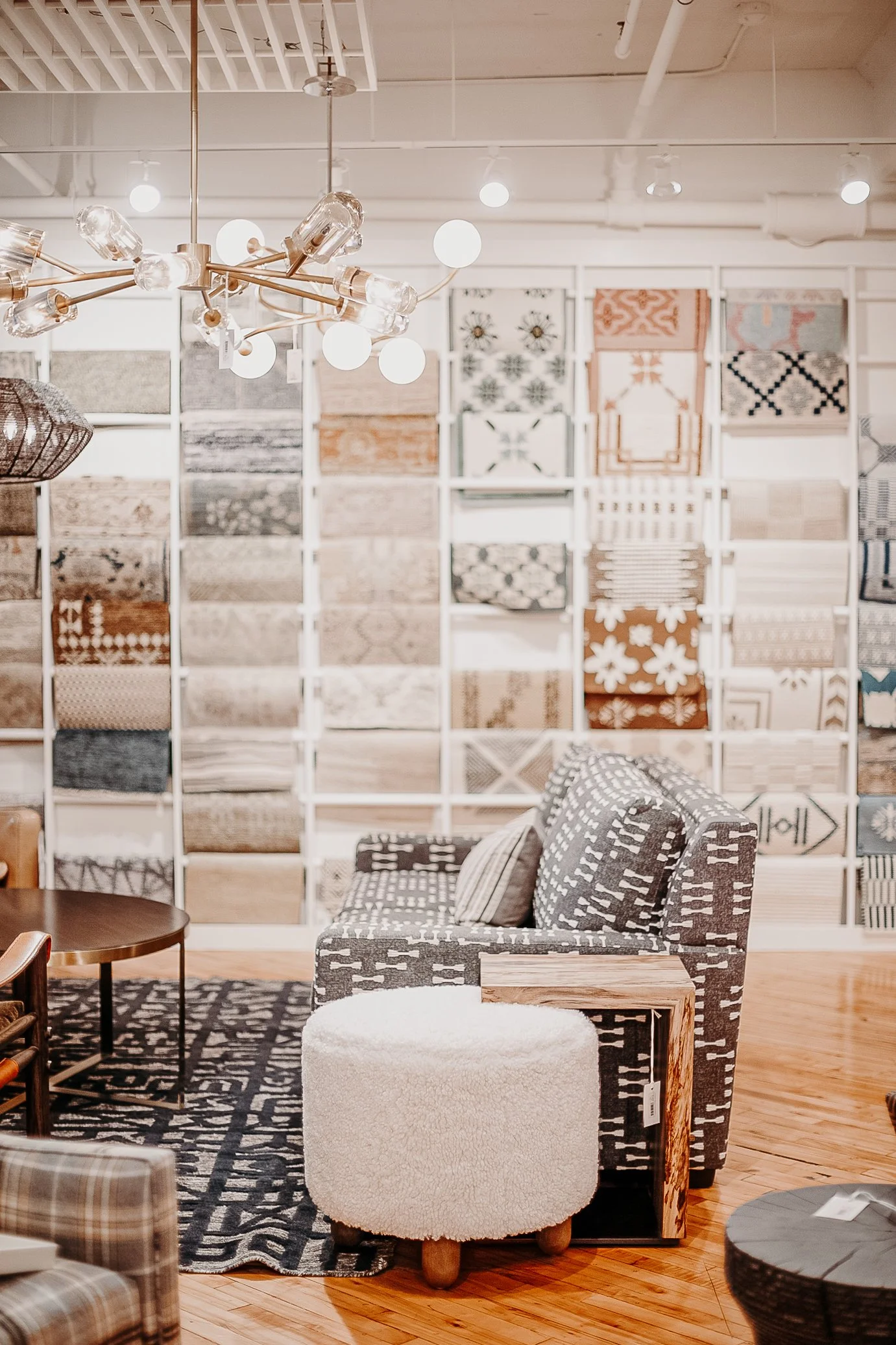
Casegoods
-
o Non-upholstered furniture (dressers, cabinets, consoles, dining tables)
-
horizontal support beneath a tabletop
-
crossbar between legs
-
structural horizontal frame component typically seen on cabinet/casegood door fronts
-
Vertical framing piece typically seen on cabinet/casegood door fronts
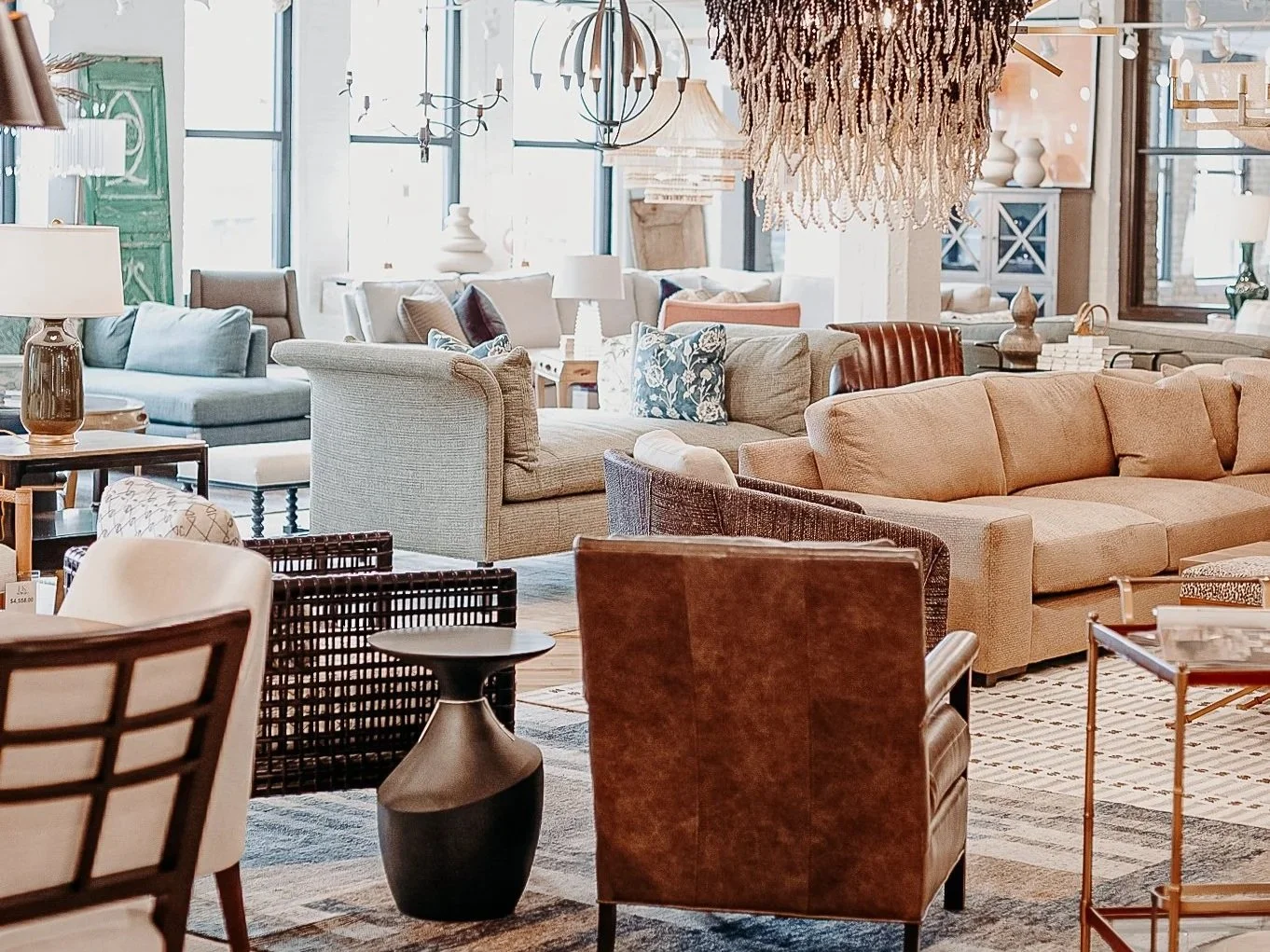
Upholstery
-
o Soft Furniture such as sofas, chairs, ottomans
-
the base under the cushions where the suspension lives (like 8-way hand tied or sinuous springs)
-
Upholstered and non-removable, prone to quicker wear and tear
-
removable cushions (better for general maintenance and reducing wear and tear, as they can be flipped and rotated)
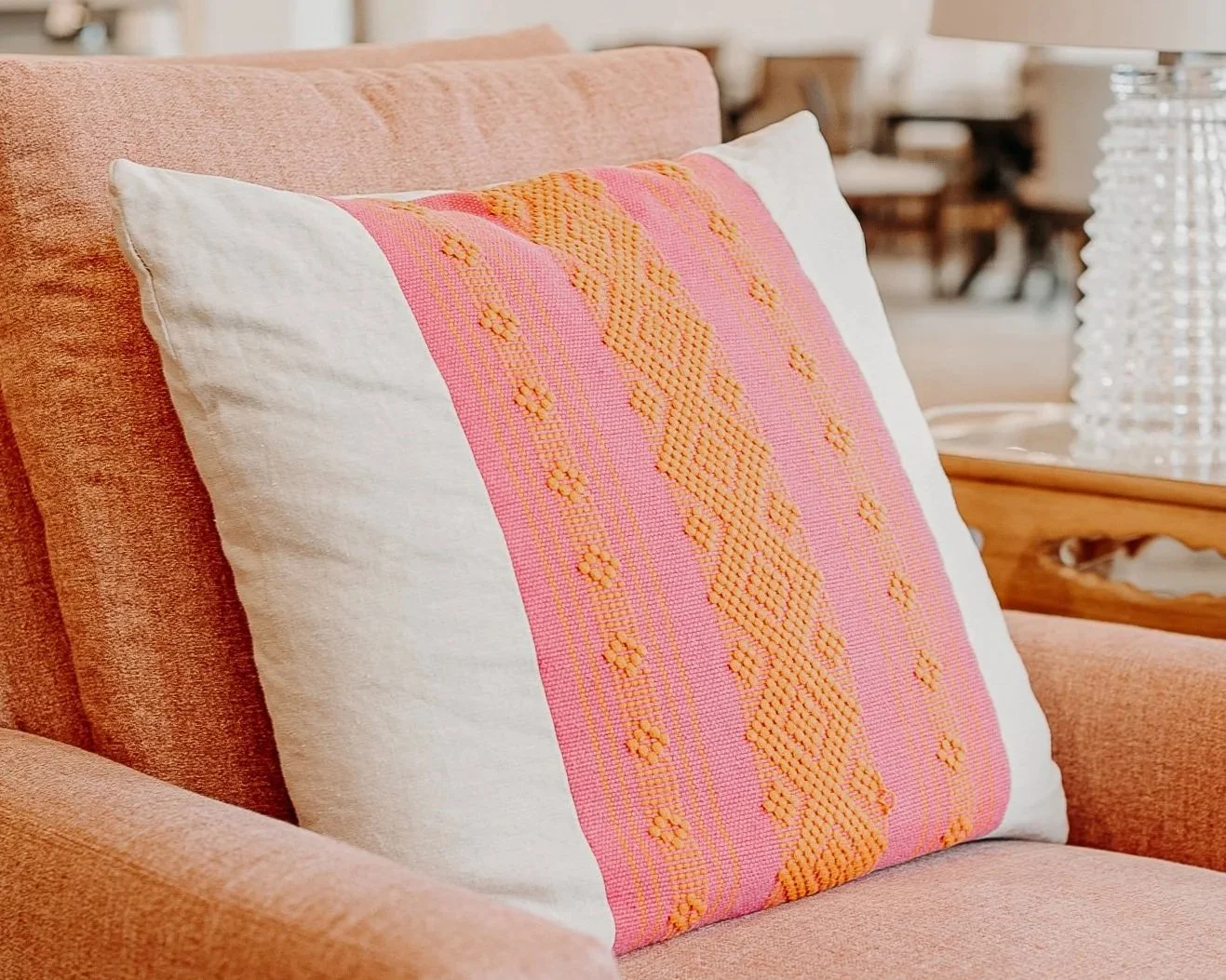
Furniture Details
-
modern, traditional, and transitional
-
Turned, tapered, bun, etc.
-
o Ceruse - where there is a contrasting fill within the grain of the wood, typically seen on oak wood species as it has an open grain that accepts contrasting pigment
o Distressed - where an aged/weathered look is mechanically applied, and not a natural patina
o Paint - where pigment is opaquely applied to a surface
o Stain - a finishing product used to alter the color of wood while often enhancing its natural grain, consisting of colorants (pigments or dyes) suspended in a vehicle like oil, water, or alcohol
o Leather dye - a colorant that penetrates and permanently alters the color of hide fibers
o Textile Dye - the process of adding color to textile products—fibers, yarns, or fabrics—by immersing them in a dye solution, usually containing water and chemicals, to achieve a lasting, vibrant color
-
o Used to build on the style or character of casegoods
Knobs, pulls, hinges
Backplates, keyholes, tassels
-
o Down: feather and down fill, most luxurious option, most costly, and softest feel. Heavier weight than poly fill cushions. Requires fluffing after each sit.
o High Density Foam: a durable long-lasting polyurethane or soy-based foam designed to maintain its shape for 10-20+ years
o Poly fill: synthetic, hypoallergenic, and lightweight stuffing material made from polyester fibers. Used especially when there is an allergy to down.
o Spring Down: this cushion includes an inner spring typically wrapped in foam, and then wrapped in down or poly fill (the inner spring is meant to give support and keep the cushion shape)
-
o Track Arm (or Straight Arm): Characterized by clean, straight lines and a boxy shape. A minimalist style ideal for modern spaces.
o Rolled Arm: A classic, comfortable choice with a soft, rounded shape that often extends outward, offering a traditional look.
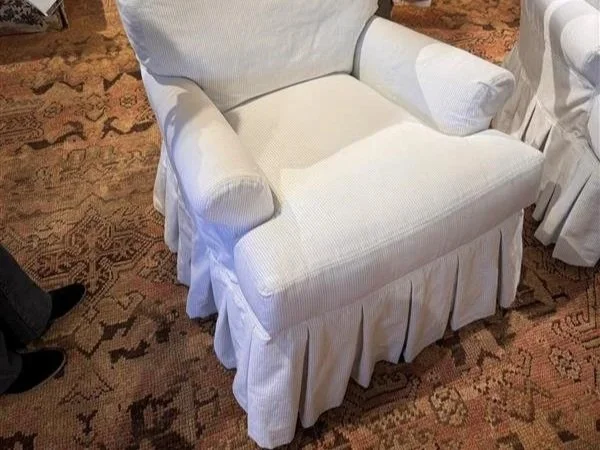
o English Rolled Arm: A low, slightly rolled arm that sits lower than the sofa back, offering a casual and comfortable feel and often has pleating to accept the curve of the “roll.”
o Tapered Arm: Angled outward to soften the profile of the sofa. Provides a transitional, welcoming look.
o Shelter Arm: The arm is at a similar height to the sofa back, wrapping around the user.
o Sock Arm: arm characterized by a curved, tapered, or slightly rounded shape that often resembles the top of a sock or a tube
o Key arm or Square Arm: Features a distinct, geometric, and precise, squared-off shape.
o Slope Arm: A modern, elegant arm that starts high near the back and slants down toward the front.
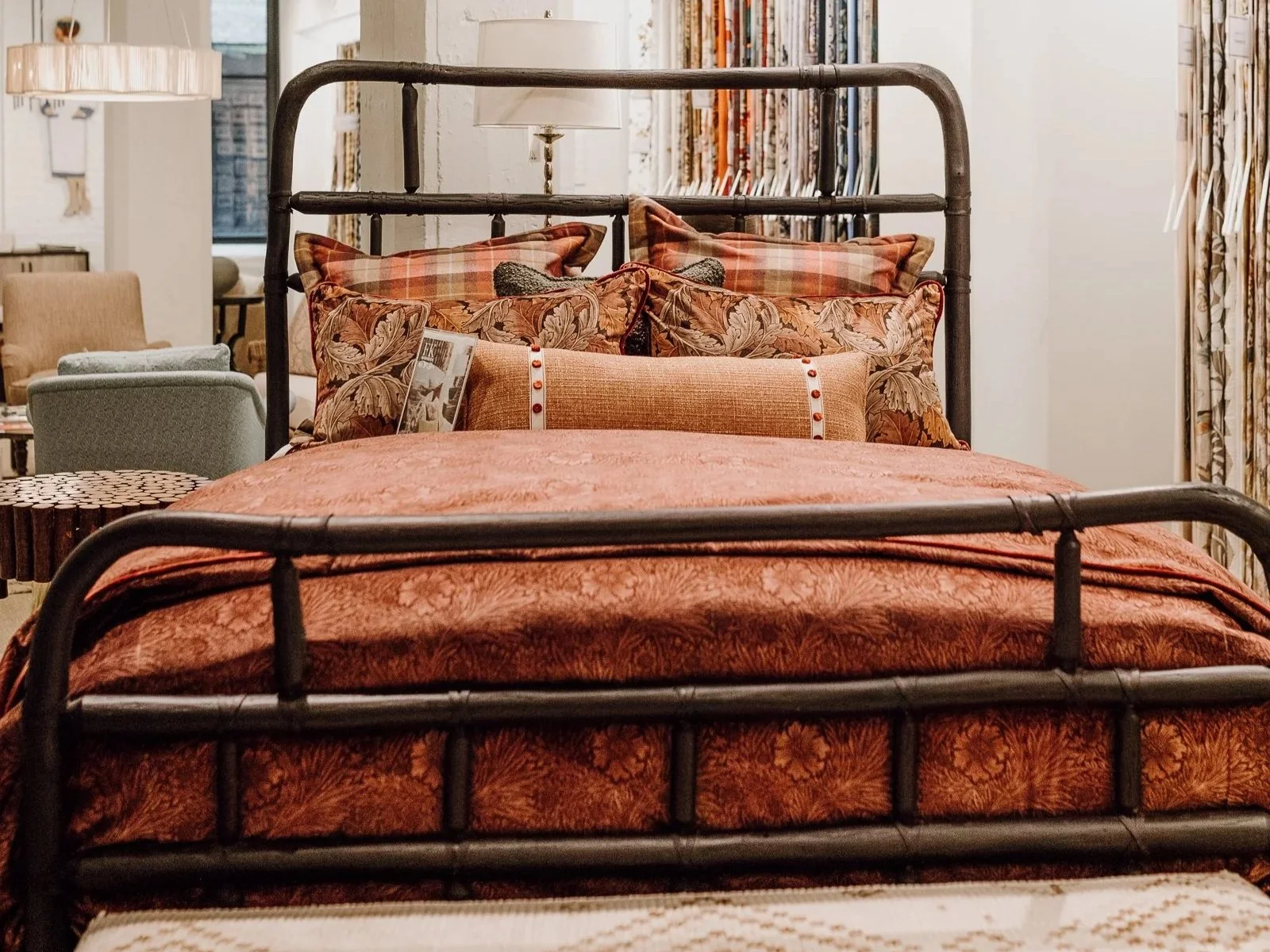
Creating Custom Furniture
-
o Function: lounging, eating, storage, durability, size
o Who is going to use it: kids, pets, or empty nesters
-
Measure everything including room, ceiling height, and account for circulation
Use tape layouts or software such as SketchUp to validate size
Common mistake: having sofas too large, or too shallow, or back rails too high or low
-
Choose vendor or workroom based on level of construction you would like (hardwood construction or engineered hardwood/plywood, 8-way hand tied or sinuous spring, mortise and tenon joinery or glue and nail/screw).
Construction level will also be based on budget. Bench made heirloom quality will be most expensive.
-
Some vendors allow you to select cushion styles (knife edge, box, T-cushion)
Select leg profile and style
Decide on seams such as piping, topstitching, contrasting saddle stitch
Skirted, or un-skirted (if skirt desired, what style: box pleat, kick pleat, dressmaker skirt, ruffle skirt, pleated skirt)
-
Down
Poly
Foam
Spring Down
-
COM – Customer’s Own Material, where the fabric is purchased separately from the frame, and shipped to the furniture vendor’s COM department
Graded in fabric – select from in-line fabrics provided by the vendor.
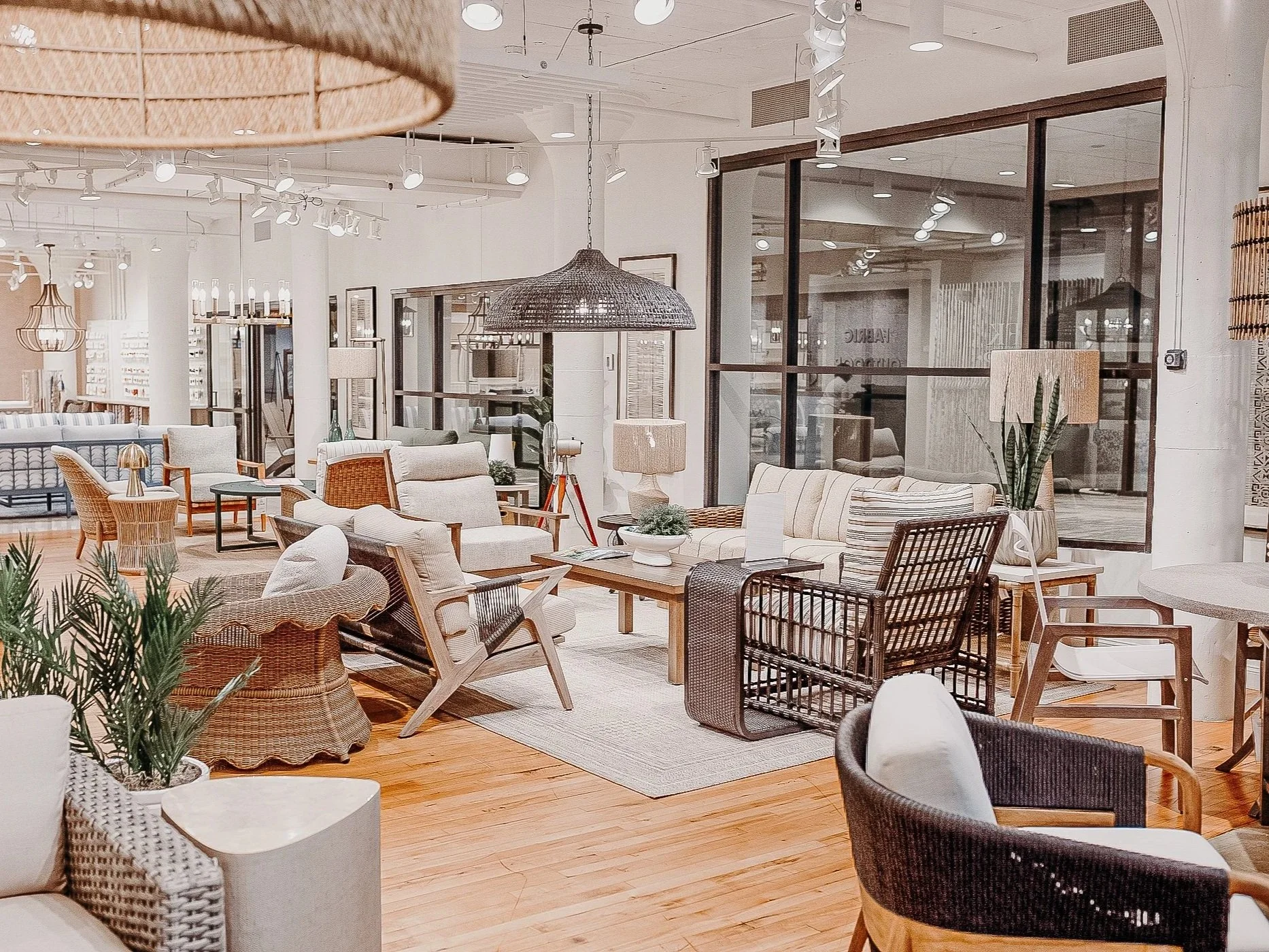
Wood Species
-
o White Oak – tighter grain, more neutral undertone
o Red Oak – more open grain, warmer undertone
o Very durable hardwood
-
o Rich brown with gray undertones
o Higher end, often used for statement pieces on exposed frame furniture, or dining tables and chairs
-
o Light, smooth, minimal grain
o Most common species for painted furniture given the minimal grain
-
o Warm reddish tone that deepens over time (patinas)
o Often used in traditional and formal furniture
-
o Softwood; contains knots and character
o More prone to dents
o Good for rustic and informal settings
-
o Deep red/brown, straight grain
o Used in high end traditional furniture
Furniture Upkeep & Care
-
o Avoid direct sunlight on furniture – prevents fading and warping
o Use coasters and felt pads on case goods
o Do not set hot things or pizza boxes directly on top as it will harm the finish and can cause white spots
-
o Vacuum regularly especially along the welts and between seats and on decking
o Rotate and flip cushions to prevent uneven wear
o Spot clean immediately using the appropriate cleaner (solvent-based vs water)
o Keep away from direct sunlight to prevent fading
-
o Natural patina is desirable and not considered damage
o Keep away from direct sunlight to prevent fading and cracking
o Aniline leather will age and patina, and show natural characteristics of the hide, usually has a wax coating (clean/wipe with damp cloth, do not scrub)
o Semi-aniline leather is a pigmented/painted leather that will show less patina, and covers/masks the true characteristics of the natural hide (clean/wipe with damp cloth)
-
o Unlacquered brass and copper will patina and age over time – this is desirable and not considered damage
o Use gentle cleaners to avoid stripping patina and finishes
-
Set client expectations early, especially with materials that age such as wood, unlacquered/living finish metals, and leather
Types of Skirts
-
o Tailored fabric fold creating pleats/folds going in one direction
o More formal
-
o Pleats at corners, allows fabric to open slightly
-
o a tailored fabric fold created by bringing two folds toward a center point from opposite directions, forming a wide, flat, box-like appearance on the surface
o More formal
-
o Soft, casual, cottage feel
o Gathered and bunched
-
o Loosely draped off the upholstered frame
o Relaxed feel
Types of Stitching
-
o Clean look, no added seam, modern and tailored
-
o Corded trim along the seams
o Adds structure and definition
o More formal use
-
o Visible stitching along seams
o Adds durability and subtle visual detail
-
o Exposed seam with stitching on both sides
o Casual, tailored, often used in slipcovers
-
o Buttons or stitching pulled into fabric
o Adds depth and is a traditional detail often seen on chesterfield sofas and headboards
Outdoor Furniture
-
o Teak: gold standard, weathers to gray, extremely durable
o Aluminum: Light weight, rust proof, often used in modern style furniture
o All weather wicker/resin: durable alternative to wicker
o Steel/iron: heavier, very durable, may require some maintenance
ALL MATERIALS BENEFIT FROM BEING STORED OR COVERED OVER WINTER
-
o Performance textiles such as Sunbrella that resist fading (this is called light-fast)
-
o Store cushions during off season
o Use breathable covers and not plastic wraps
o Cover during inclement weather
High Point Market
-
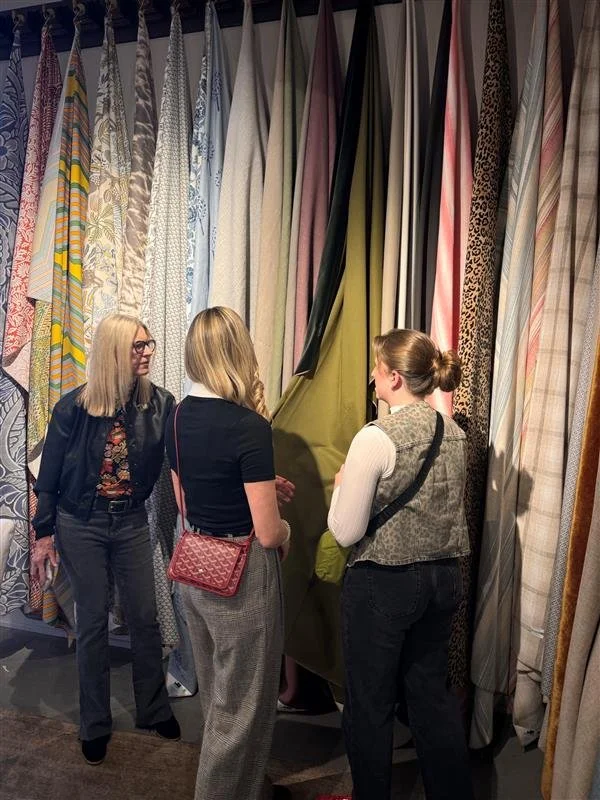
o Largest home furnishings trade show in the world
o Held twice yearly in High Point North Carolina in the Spring and Fall
-
o Launch of new collections each season to stay on top of trends and materials
o Key place to source vendors and build relationships
-
o Interior designers, retailers, manufacturers
PRO TIP – Plan out appointments with vendors beforehand because it can be overwhelming without structure